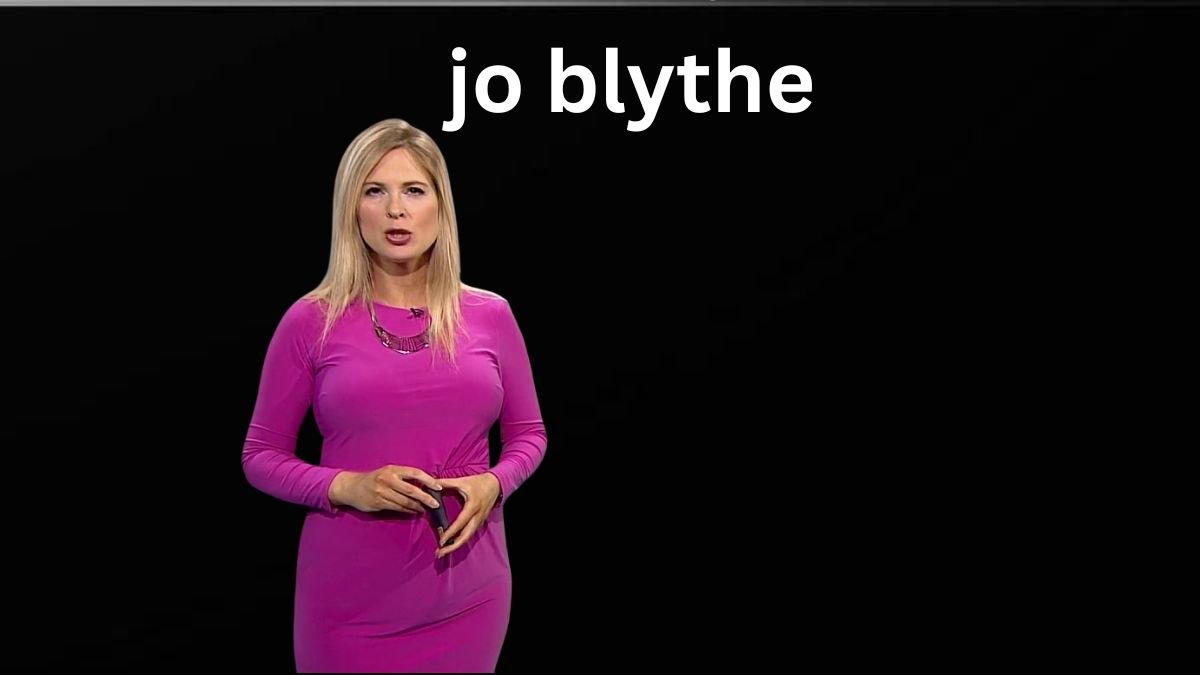
Jo Blythe is a familiar name to many viewers who follow British weather broadcasting. Known for her clear delivery and approachable style, she has built a long career in television and weather presentation. Over the years, audiences have seen her deliver forecasts across different programs while developing a recognizable presence on screen.
Although weather forecasts can appear simple to viewers, professional broadcasting involves much more than reading temperatures from a map. Presenters need to understand changing conditions, communicate complicated information clearly, and adapt quickly when severe weather develops. Jo Blythe has spent years working within that environment.
This article explores Jo Blythe’s career, broadcasting background, public profile, personal life, and the reasons she remains a recognizable figure in British weather television.
Who Is Jo Blythe?
Jo Blythe is a British television weather presenter who became known for her work with ITV. Her broadcasting career has largely focused on weather forecasting, making her a familiar face for viewers looking for regular updates about conditions across different parts of the country.
Unlike celebrity personalities whose fame comes from entertainment or social media, Blythe’s public profile developed mainly through television work. Her professional reputation is closely connected with presenting weather information in a straightforward and accessible way.
Her career also reflects how television weather presenters can become familiar household figures. Viewers often see the same presenters repeatedly over many years, which creates a sense of familiarity even though the subject itself is highly practical.
Jo Blythe’s Broadcasting Career
Jo Blythe’s television career developed through weather broadcasting, where accuracy, timing, and communication are all important. A weather presenter has to turn meteorological information into something that an ordinary viewer can understand quickly.
Working in television also requires presenters to remain comfortable when forecasts change. Weather systems can develop rapidly, particularly when strong winds, heavy rain, snow, or extreme temperatures are involved. This means a presenter cannot simply rely on a fixed script.
Blythe’s long association with television weather helped establish her as a recognizable presenter. Her style has generally focused on delivering useful information without making the forecast unnecessarily complicated.
Her Work With ITV
Jo Blythe is particularly associated with ITV weather coverage. ITV has historically employed a number of regional and national weather presenters, allowing audiences to receive forecasts tailored to their location.
Regional television weather can be especially important because conditions may differ significantly between parts of the country. A forecast that is useful for one region may not accurately describe what viewers several hundred miles away are experiencing.
For presenters such as Blythe, this creates an additional communication challenge. They need to make forecasts understandable while still giving viewers enough detail to plan their day.
What Makes a Weather Presenter Successful?
Being a television weather presenter requires more than having a good on-camera personality. Presenters need to communicate technical information in a way that is easy to follow.
Forecasts often contain terms relating to pressure systems, rainfall, wind speeds, cloud cover, visibility, and temperature. Most viewers do not need detailed meteorological explanations, so the presenter has to decide which information matters most.
A successful presenter also needs strong live-broadcast skills. If weather conditions change unexpectedly, the presenter may have to adjust the forecast quickly while remaining calm and professional.
Jo Blythe’s Presentation Style
One reason Jo Blythe became familiar to television audiences is her straightforward presentation style. Weather broadcasting works best when viewers can understand the main message within a short period.
A presenter can have extensive technical knowledge, but that knowledge is only useful if it can be communicated clearly. Blythe’s television work has generally emphasized practical information rather than unnecessary complexity.
Her approachable broadcasting style also helped make regular weather updates feel accessible. For many viewers, weather forecasts are part of their daily routine, whether they are planning a commute, school journey, weekend trip, or outdoor activity.
Jo Blythe and British Weather Television
British weather television has changed considerably over the years. Forecasting has become more visually detailed, with digital maps, satellite imagery, radar information, and increasingly sophisticated graphics becoming standard.
Despite these technological changes, the role of the presenter remains important. Viewers still need someone to explain what the information actually means for them.
Jo Blythe’s career belongs to a period in which television weather presentation gradually moved from relatively simple graphics toward more interactive and detailed visual forecasting. Experienced presenters had to adapt alongside those changes.
How Weather Presenting Has Changed
Modern weather forecasting provides viewers with access to far more information than previous generations had. People can now check hourly forecasts, radar maps, warnings, and weather apps directly from their phones.
Television weather presenters therefore have a slightly different role today. Instead of being the only source of information, they help interpret weather data and put it into context.
This makes communication skills even more valuable. A presenter needs to explain why conditions are changing and which developments are likely to affect viewers rather than simply listing temperatures.
Jo Blythe’s Public Image
Jo Blythe has maintained a relatively professional public image throughout her broadcasting career. Unlike many television personalities, her work has primarily centered on her profession rather than constant media attention.
Weather presenters often become recognizable through repeated appearances rather than celebrity-focused publicity. This can create a different relationship with audiences, where familiarity develops gradually.
Blythe’s public identity is therefore strongly connected with her television work. Her career demonstrates how consistency can help a presenter remain recognizable over an extended period.
Jo Blythe’s Personal Life
There has been public interest in Jo Blythe’s personal life, but she has generally kept much of her private life away from the center of her professional profile.
This is fairly common among television presenters. While viewers may recognize someone from their work, that does not necessarily mean every aspect of their private life is publicly documented.
When discussing a public figure’s personal circumstances, it is important to separate confirmed information from online speculation. Search results and social media posts can sometimes repeat claims without providing reliable evidence, so readers should be cautious about treating every statement as fact.
Jo Blythe’s Age and Background
Questions about Jo Blythe’s age and early background frequently appear online. However, biographical details about television presenters are not always consistently published across reliable sources.
This is one reason it can be difficult to establish an exact age from internet pages alone. Some websites publish information without identifying where the details came from, while others copy information from older pages.
For an accurate biography, professionally published profiles and verified broadcaster information are generally more useful than unsourced celebrity websites.
Why Viewers Remember Jo Blythe
Television audiences often remember presenters because of consistency. Someone who appears regularly on a familiar channel can become part of a viewer’s routine without actively seeking celebrity status.
Weather presenters are particularly well positioned to build this kind of familiarity. Forecasts are broadcast regularly, and viewers may see the same presenter many times over a long period.
Jo Blythe’s association with weather broadcasting has therefore allowed her to develop recognition through her professional work. Her career is an example of how television familiarity can develop naturally over time.
The Importance of Accurate Weather Communication
Weather information can have practical consequences. Forecasts can influence travel plans, outdoor events, farming activities, aviation, construction, and everyday commuting.
During severe weather, communication becomes even more important. Viewers need to know what conditions are expected, when they may occur, and which areas could be affected.
A presenter has to communicate this information without creating unnecessary confusion. Clear language and sensible emphasis are essential, particularly when viewers are watching a short forecast before leaving home.
Jo Blythe’s Place in Television Weather
The television weather industry includes presenters with different backgrounds and styles. Some have formal meteorological training, while others develop their careers through broadcasting and specialist weather roles.
Regardless of the route taken, presenting weather requires preparation and strong communication. Television audiences expect information to be delivered clearly and professionally.
Jo Blythe’s career illustrates the importance of experience in this field. Years of broadcasting can help presenters become comfortable with live television, changing forecasts, technical graphics, and different types of weather coverage.
Public Interest in Jo Blythe Today
Interest in established television personalities can remain strong long after their most visible period of broadcasting. People often search for former presenters because they remember seeing them regularly and want to know more about their careers.
Search interest can also increase when old television clips, photographs, or discussions appear online. Social media has made it easier for viewers to rediscover broadcasters who were prominent before the rise of modern digital platforms.
For Jo Blythe, online searches continue to reflect audience curiosity about her career, background, and television appearances.
What Can Be Learned From Her Career?
Jo Blythe’s career offers an interesting example of longevity in television broadcasting. Weather presentation may look straightforward from the viewer’s perspective, but it combines technical information with live communication skills.
Her professional journey also shows why consistency matters in television. A presenter does not necessarily need to become a major entertainment celebrity to build a lasting public profile.
Instead, reliability, clear communication, and familiarity can create a strong connection with viewers. These qualities are particularly valuable in broadcasting roles that audiences encounter repeatedly.
Frequently Asked Questions About Jo Blythe
Who is Jo Blythe?
Jo Blythe is a British television weather presenter best known for her work with ITV weather broadcasting. She has become familiar to viewers through her appearances presenting weather forecasts.
What is Jo Blythe known for?
She is primarily known for television weather presentation. Her career has been associated with delivering weather forecasts to British television audiences.
Did Jo Blythe work for ITV?
Yes. Jo Blythe is strongly associated with ITV weather broadcasting and has appeared as a weather presenter within the network’s television coverage.
Why is Jo Blythe famous?
Her recognition comes mainly from her career as a television weather presenter. Regular appearances helped her become a familiar face to viewers.
Has Jo Blythe shared details about her private life?
Only limited personal information has been publicly discussed compared with her professional career. She has generally maintained a distinction between her television work and private life.
What does a weather presenter do?
A weather presenter communicates forecast information to television viewers. The role involves interpreting weather data, explaining expected conditions, using forecast graphics, and communicating important developments clearly.
Final Thoughts on Jo Blythe
Jo Blythe represents a familiar type of British television personality: a presenter whose recognition has been built through years of consistent professional work rather than constant celebrity publicity. Her association with ITV weather broadcasting has made her recognizable to generations of viewers.
Her career also highlights the changing nature of weather television. Forecasting technology has developed significantly, but the ability to explain information clearly remains essential. Viewers still rely on presenters to turn complex weather data into practical information.
For people searching for Jo Blythe today, her professional career provides the clearest explanation of why she became known. She is remembered primarily as a weather broadcaster whose calm and accessible approach helped make daily forecasts easy for television audiences to follow.
