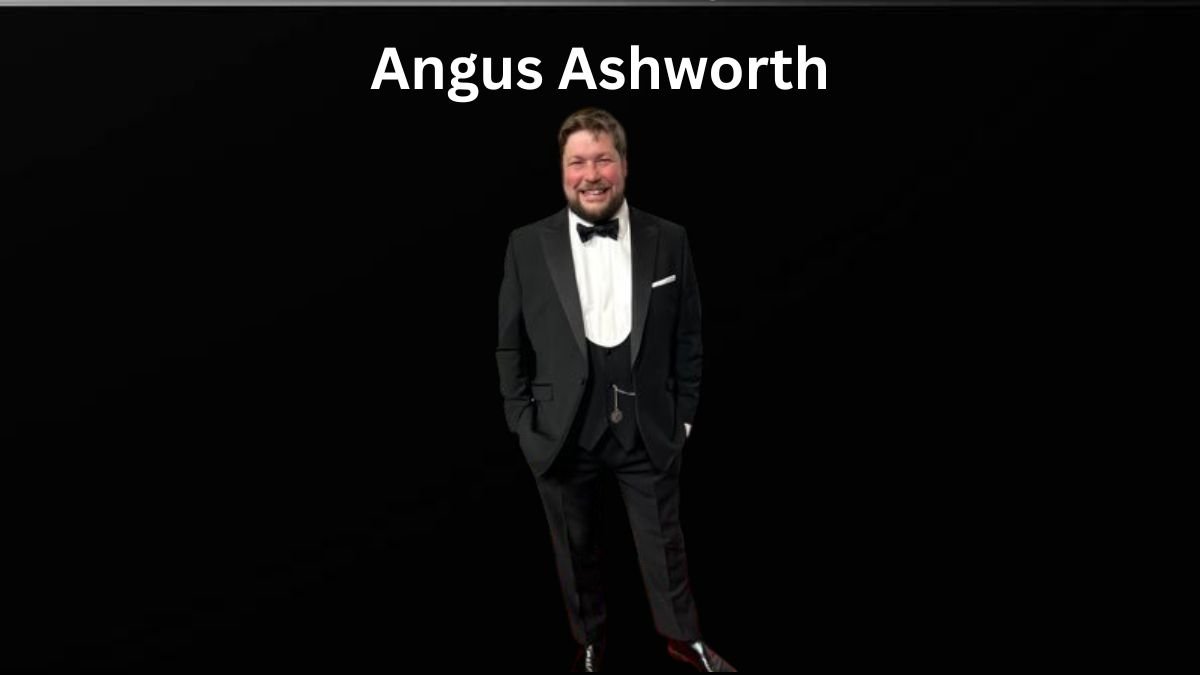
Who Is Angus Ashworth?
Angus Ashworth is a British antiques professional and auctioneer known for his work in the world of antiques, restoration, valuation, and traditional auctioneering. His name has attracted attention among people who enjoy discovering the history behind old furniture, decorative objects, collectibles, and unusual pieces.
Unlike the modern image of shopping for valuable items online, the antiques trade often depends on experience, observation, and a strong understanding of history. Angus Ashworth represents that traditional side of the industry. His professional background is connected with identifying objects, understanding their origins, and helping buyers and sellers recognize the potential value of items that may otherwise be overlooked.
What makes the antiques business interesting is that value is rarely based on appearance alone. Age, condition, craftsmanship, rarity, provenance, and demand can all influence an item’s worth. Professionals such as Ashworth work within this complicated environment, where a seemingly ordinary object can sometimes have a fascinating story or considerable market value.
Angus Ashworth and His Connection to the Antiques Trade
The antiques business has traditionally been built around specialist knowledge. Auctioneers need to understand different periods, materials, manufacturing techniques, and collecting trends. They also need to communicate clearly with clients who may have very different levels of knowledge.
Angus Ashworth has become associated with this traditional approach to antiques. His professional world involves examining objects and considering what makes them interesting to collectors. That can include furniture, decorative pieces, paintings, architectural items, and other objects with historical or artistic significance.
Working in this industry also requires patience. An experienced auctioneer cannot always determine an object’s importance simply by looking at it for a few seconds. Details such as construction methods, markings, labels, materials, and previous ownership can provide important clues.
His Role as an Auctioneer
Auctioneering is one of the most recognizable parts of the antiques industry, but there is much more to the profession than conducting a sale. An auctioneer can become involved in valuation, cataloguing, client discussions, research, and preparing items for the market.
For Angus Ashworth, auctioneering forms part of a wider connection with the antiques business. The auction environment brings together sellers, collectors, dealers, and members of the public. Each person may have a different reason for being interested in an item.
An auction can also reveal changing tastes. Something that attracted little attention in the past may suddenly become popular because collectors develop a new interest in a particular style or period. This is one reason experienced auctioneers pay attention to both historical knowledge and current collecting habits.
Why Antiques Require Specialist Knowledge
Antiques can be surprisingly difficult to evaluate. Two objects may look similar but have completely different values because of their age, maker, condition, or history. A reproduction can also appear convincing to someone without specialist knowledge.
This is where professional experience becomes important. An auctioneer needs to look beyond the surface and ask questions about how an object was made and where it may have come from. Construction techniques can sometimes provide useful evidence about an item’s age.
Condition is another major consideration. Damage, repairs, missing parts, alterations, and restoration can all affect market value. However, restoration is not automatically negative. In some cases, careful professional restoration can help preserve an important object for future generations.
The Importance of Provenance
Provenance is another major concept in the antiques world. In simple terms, provenance refers to the documented history or ownership of an object. When reliable evidence exists about where an item came from, it can make the object more interesting to collectors.
A strong provenance can sometimes help distinguish an authentic historical object from an ordinary reproduction. Documents, old photographs, receipts, auction records, family histories, and other evidence can all contribute to an object’s story.
For auctioneers, this information can be extremely useful when preparing an item for sale. The story behind a piece can help buyers understand why it matters. In the antiques market, history and context can be almost as fascinating as the physical object itself.
Angus Ashworth and the Appeal of Traditional Craftsmanship
One reason antiques continue to attract attention is craftsmanship. Older furniture and decorative objects were often produced using techniques that are less common today. Skilled makers could spend considerable time working on details that would not necessarily be visible at first glance.
Traditional craftsmanship can include hand carving, joinery, metalwork, upholstery, painting, and decorative finishing. Examining these details can help specialists understand how an object was produced.
The appeal also goes beyond monetary value. Many collectors appreciate antiques because they represent a particular period, culture, or method of production. An old cabinet, clock, chair, or decorative object can provide a physical connection to an earlier period.
The Difference Between Price and Value
A common misunderstanding about antiques is that price and value always mean the same thing. They do not.
An object can have significant personal value to its owner while having limited demand in the commercial market. A family heirloom may be priceless emotionally, even if an auction house would assign it a modest financial estimate.
The opposite can also happen. An object that looks unattractive or unimportant to the average person may be highly desirable to specialist collectors. Its rarity, maker, historical importance, or condition can create strong demand.
Professionals working in the antiques sector have to understand this distinction. Their role is not simply to decide whether something is “old” but to understand the factors that influence its position in the market.
Why Auction Houses Remain Important
Digital marketplaces have changed the way people buy and sell almost everything, including antiques. Even so, traditional auction houses continue to play an important role.
An established auction house can provide specialist knowledge, professional cataloguing, buyer access, and a structured sales environment. Sellers may benefit from reaching collectors who specifically follow certain categories.
Auctions can also create competition between interested buyers. When several collectors want the same item, the final price can reflect the strength of that demand. This competitive element is one of the reasons traditional auctions remain exciting.
For professionals connected to the auction industry, understanding both traditional methods and modern technology has become increasingly important.
Angus Ashworth and Public Interest in Antiques
Public interest in antiques has grown through television programs, online videos, social media, and specialist websites. Viewers who may never have visited an auction house can now watch experts examine unusual objects and explain their history.
This type of content has made the antiques world more accessible. People can learn about furniture, paintings, ceramics, collectibles, and restoration without having professional training.
Figures associated with the industry can therefore help introduce wider audiences to specialist subjects. Instead of viewing an old object simply as something outdated, audiences may begin to ask where it came from, who made it, and why it survived.
What Makes the Antiques Industry Interesting?
The biggest attraction of antiques is uncertainty. You never completely know what story an object might contain.
A piece of furniture may have passed through several generations. A decorative object may have been made by a respected craftsman. A painting may have an unusual history. Even an item with little financial value can still provide insight into everyday life from another period.
This combination of history, craftsmanship, research, and business makes the antiques industry different from ordinary retail. Professionals have to combine knowledge with careful observation.
For collectors, the experience can be equally rewarding. Finding an interesting object is not always about spending the most money. Sometimes the excitement comes from discovering something unusual that connects with a particular interest.
The Continuing Importance of Experience
Experience remains one of the most valuable qualities in the antiques business. Books and online resources can provide useful information, but practical knowledge develops through years of handling objects and comparing examples.
Experienced professionals learn to notice small details. They may recognize particular materials, construction methods, styles, or signs of restoration that are difficult for beginners to identify.
That does not mean expertise is impossible to learn. Anyone interested in antiques can begin by studying reliable references, visiting museums, attending auctions, and examining objects carefully. Over time, these experiences can build a stronger understanding of the market.
Angus Ashworth’s Professional Image
Interest in Angus Ashworth is closely connected with the wider fascination surrounding British antiques and auctioneering. His professional identity reflects an industry where historical knowledge and commercial judgment meet.
Auctioneers often have to balance different responsibilities. They need to understand the objects they handle while also considering sellers, buyers, market conditions, and presentation. That combination makes the profession more complicated than it may initially appear.
The antiques trade also rewards curiosity. Every object can raise new questions, and research can sometimes uncover details that completely change how a piece is understood.
How Beginners Can Learn About Antiques
People who are interested in the same field can start without immediately purchasing expensive objects. Visiting local auctions is a useful way to observe how the market works.
Museums are another valuable source of education. Looking closely at authenticated historical objects can help beginners understand differences in materials, construction, decoration, and design.
Online auction catalogues can also provide useful learning opportunities. Comparing descriptions, photographs, estimates, and final sale prices can show how different characteristics influence market interest.
The most important lesson is to avoid assuming that age automatically means high value. Research should always come before a major purchase.
Angus Ashworth and the Future of the Antiques Business
The antiques industry is changing, but its central appeal remains. People continue to appreciate objects that have survived from earlier periods, particularly when those objects have distinctive craftsmanship or an interesting history.
Technology has made research and buying easier, while social media has introduced antiques to younger audiences. At the same time, traditional skills such as valuation, authentication, restoration, and auctioneering remain important.
Professionals working in the sector therefore operate between two worlds. They preserve traditional knowledge while adapting to new ways of reaching collectors and customers.
This balance is likely to remain important as the antiques market develops.
Frequently Asked Questions About Angus Ashworth
Who is Angus Ashworth?
Angus Ashworth is a British antiques professional and auctioneer associated with the traditional antiques and auction industry. His work reflects the specialist knowledge required to evaluate and sell historical objects.
What does an auctioneer do?
An auctioneer can handle much more than the actual bidding process. Their responsibilities may include valuations, research, cataloguing, client communication, marketing, and conducting auctions.
Why are some old objects valuable?
Age alone does not determine value. Rarity, condition, craftsmanship, provenance, maker, historical importance, and collector demand can all influence an item’s market value.
What is provenance in antiques?
Provenance is the documented history or ownership background of an object. Reliable provenance can provide useful evidence about where an item came from and why it may be historically significant.
Can beginners learn about antiques?
Yes. Beginners can develop their knowledge by visiting museums and auctions, studying reliable reference materials, examining authenticated examples, and learning about different periods and materials.
Are all antiques expensive?
No. Many old objects have modest financial values. The market depends on demand, rarity, condition, historical significance, and other factors. Personal value can also be very different from market value.
Final Thoughts
Angus Ashworth represents a professional world built around antiques, auctions, historical objects, and specialist knowledge. The appeal of this field comes from more than financial value. It is also about understanding craftsmanship, preserving history, researching objects, and discovering the stories attached to things from the past.
The antiques trade continues to evolve as technology changes how people research and purchase collectibles. However, the basic principles remain familiar: examine carefully, research thoroughly, understand provenance, and never assume that appearance tells the whole story.
For anyone interested in antiques, the journey can be as rewarding as the final discovery. An ordinary-looking object can sometimes open the door to a much bigger story, which is precisely what keeps the world of antiques fascinating.
